
How to Read a Kids' Clothing Label — A Parent's Complete Guide
Most of us have pulled a clothing label out from the back of a shirt, glanced at it, and tucked it back in without really reading it. Washing instructions, maybe. A size. A country of origin. Nothing that seemed worth stopping for.
But if you're thinking more carefully about what your child wears — and increasingly, parents are — that label is one of the most useful tools you have. It tells you what the fabric is made of, how it was processed, and whether anyone has verified that it's safe for your child's skin.
Here's how to read it.
Part 1: The Fabric Content
The first thing most labels list is fiber content — what the fabric is actually made of, expressed as a percentage. This is the single most important piece of information on the label and the place to start.
What you're looking for: The goal for anything worn directly against your child's skin — underwear, pajamas, base layers — is natural fibers, ideally certified organic ones. Here's how to read what you find:
100% cotton Better than synthetics, but not all cotton is equal. Conventional cotton is one of the most chemically treated crops in the world. "100% cotton" with no certification tells you the fiber — it says nothing about what was used to grow it or process it.
100% organic cotton Better — but "organic" is an unregulated term in textiles. Any brand can print it on a label without verification. Look for a certification alongside the claim.
100% GOTS-certified organic cotton This is what you're looking for. GOTS (Global Organic Textile Standard) is the only third-party certification that covers both the farming and the manufacturing process. If you see this, you can trust it.
Polyester, nylon, spandex, acrylic, rayon, viscose, modal These are synthetic or semi-synthetic fibers. They don't breathe, they trap heat and moisture against the skin, and they're manufactured using petroleum-based or chemical-intensive processes. For base layers and underwear in particular, avoid these where possible.
Blends A label that reads "60% cotton, 40% polyester" tells you the fabric is partly natural and partly synthetic. The higher the synthetic percentage, the more the breathability and comfort properties of the cotton are compromised. For underwear and pajamas, look for 100% natural fiber content.
Part 2: The Care Instructions
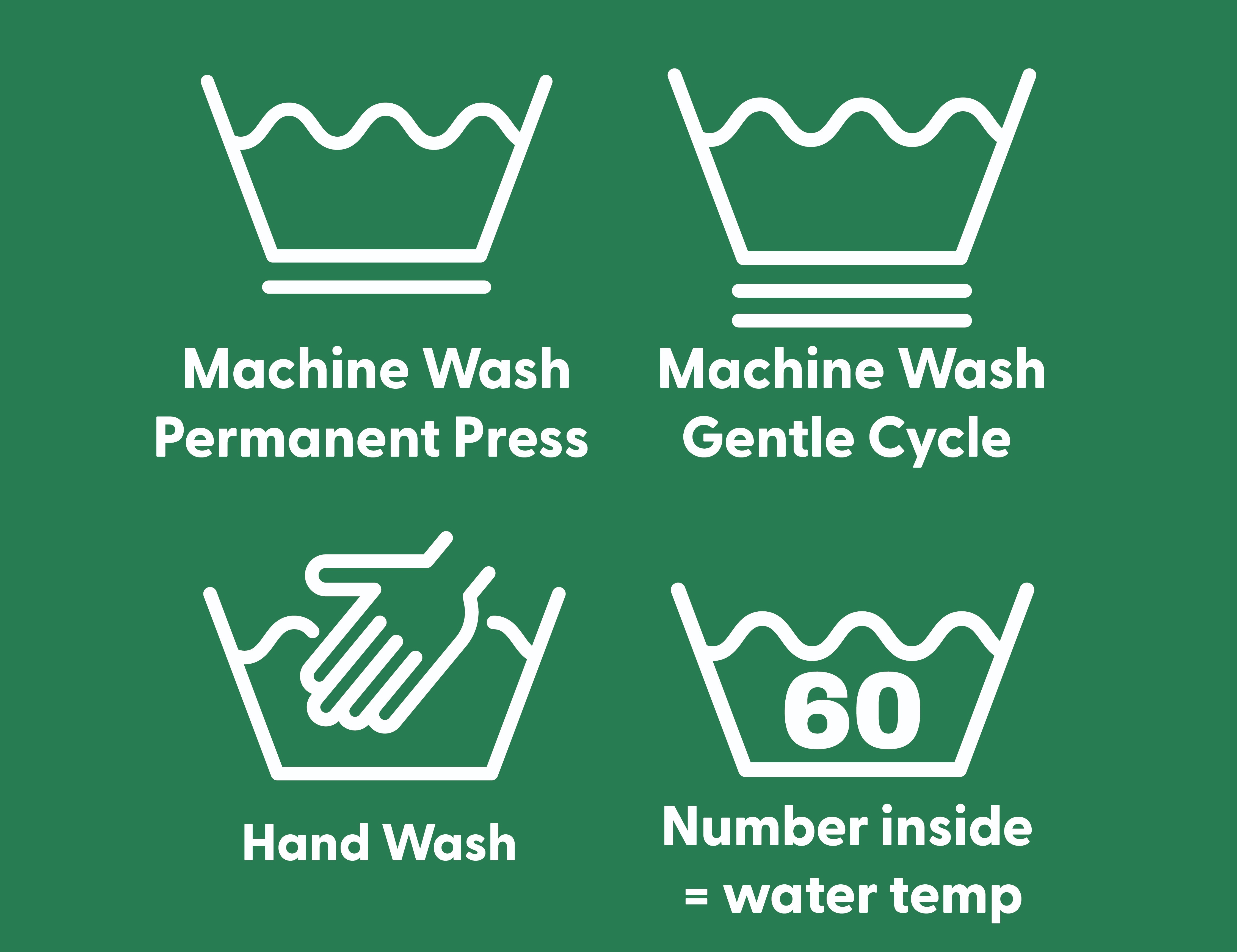
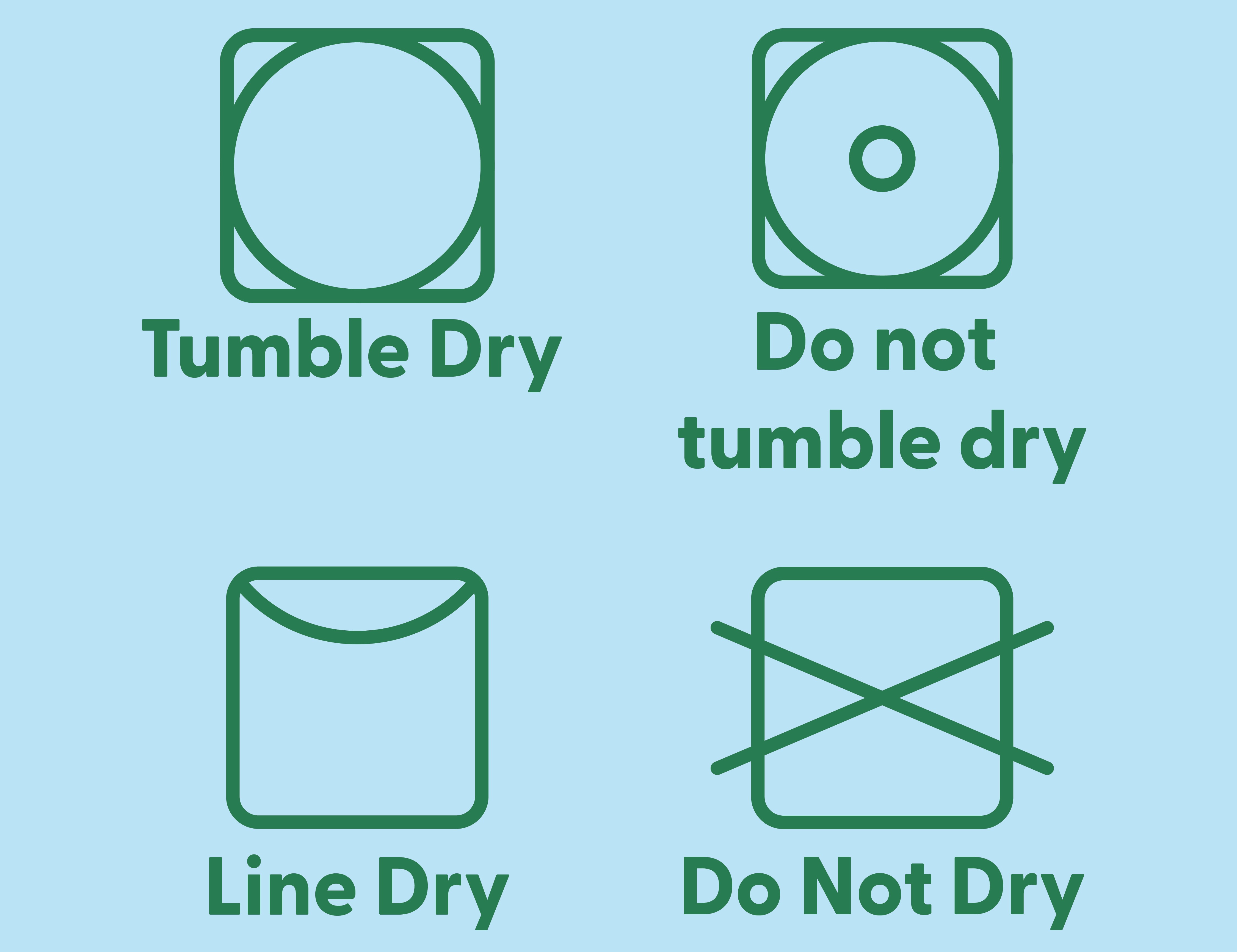
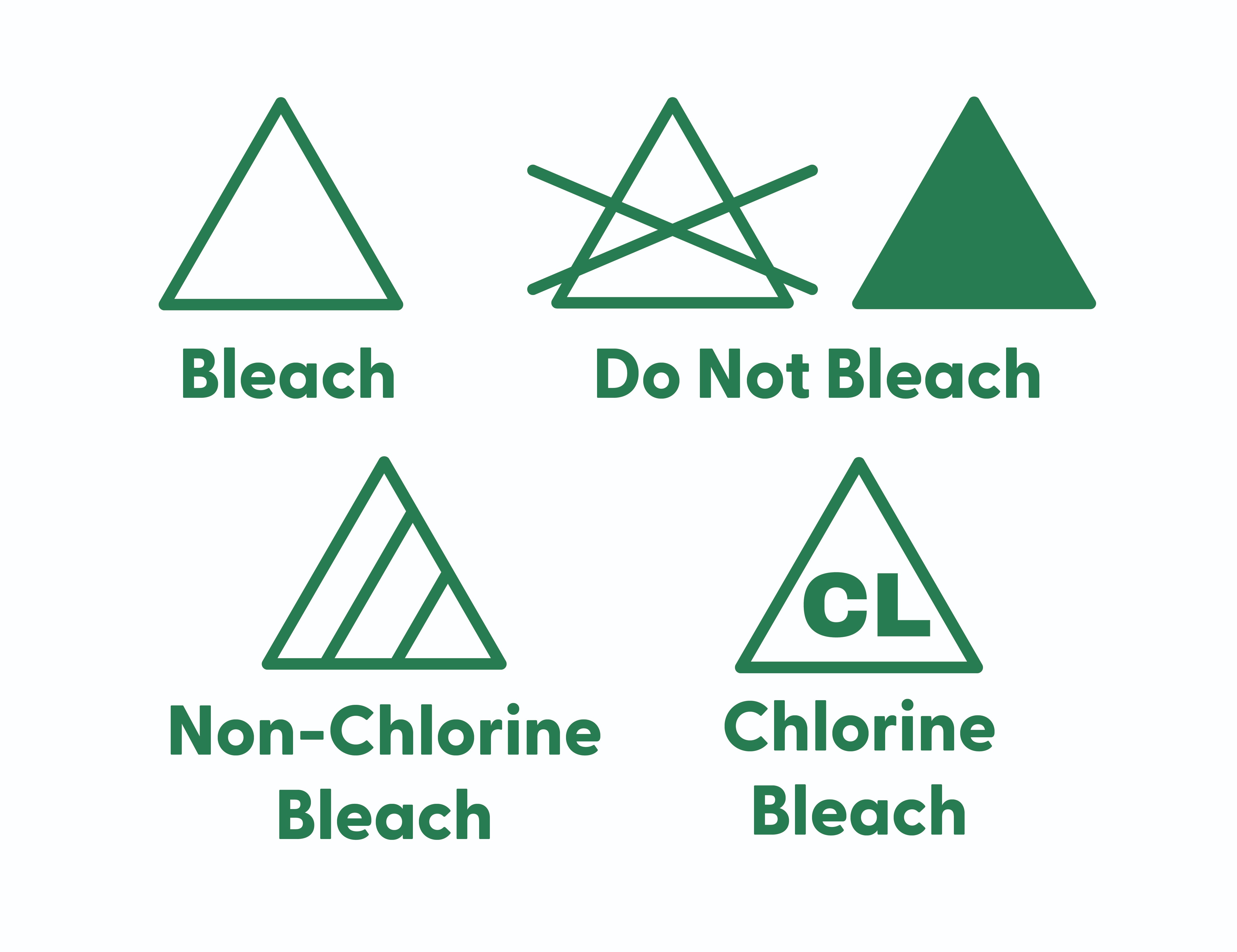
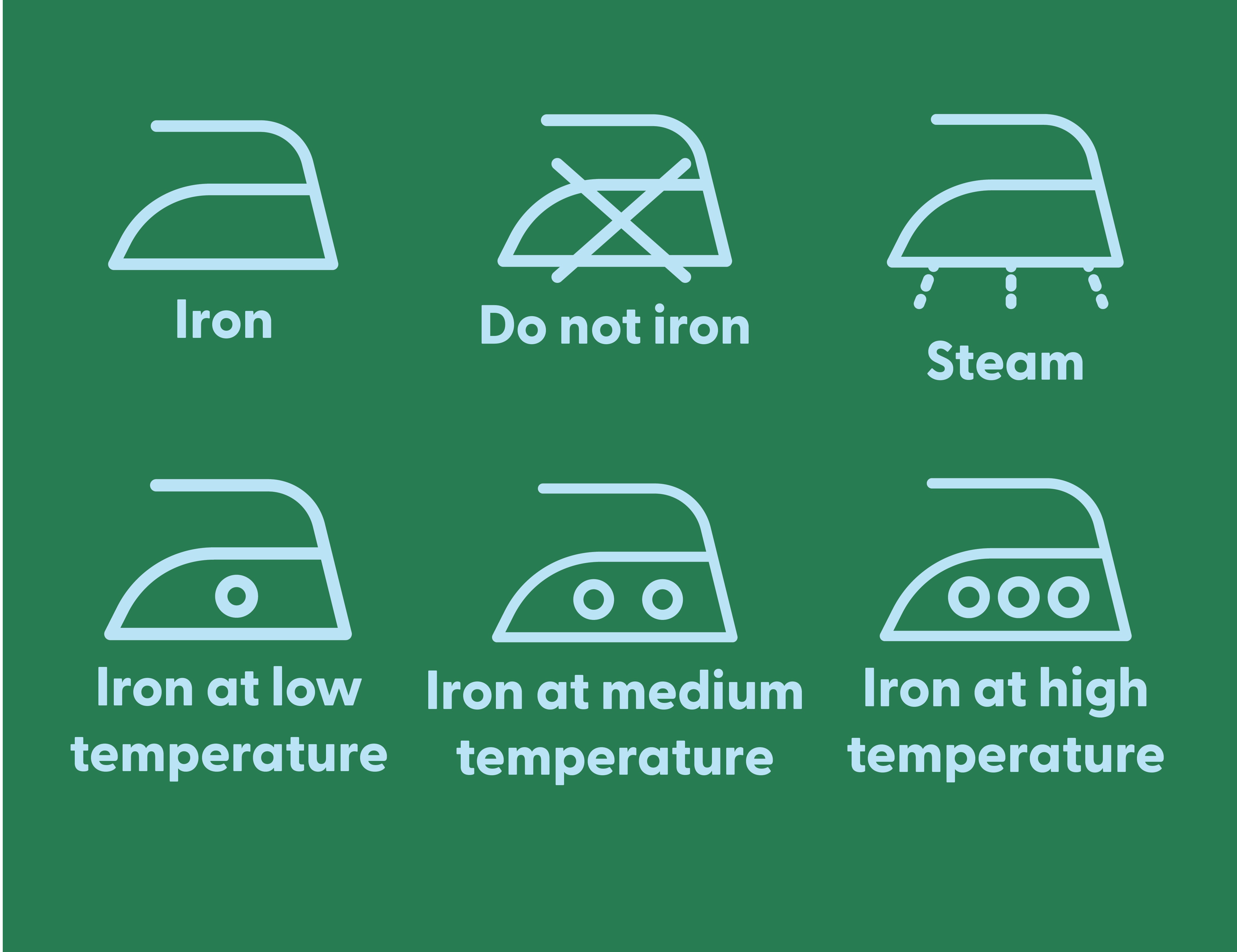
Care symbols can look like a foreign language — but they're actually quite straightforward once you know the key ones. Here's a quick reference:
🧺 Tub symbol — Washing ⬜ Square — Drying
△ Triangle — Bleaching Iron symbol — Ironing
A note on organic cotton care: GOTS-certified organic cotton is best washed at 30–40°C on a gentle cycle and tumble dried on low or line dried. This preserves the fiber quality and extends the life of the garment — which is one of the reasons organic cotton lasts longer than conventional alternatives.
Part 3: Country of Origin
Every label is required to list where the garment was made. This tells you something — but perhaps not everything you'd expect.
Country of origin indicates where the final garment was assembled, not necessarily where the fabric was woven, dyed, or where the cotton was grown. A garment can be made in a country with strong labor standards using fabric produced in a country with very different standards.
This is one of the reasons certifications like GOTS are so valuable — they trace the supply chain from farm to finished product, regardless of where each step happens.
What to look for: Rather than using country of origin as your primary filter, look for certifications that cover the full supply chain. A garment made in a GOTS-certified factory in any country is more trustworthy than an uncertified garment made anywhere.
Part 4: Certifications and Logos
This is the part of the label most parents skip entirely — and it's arguably the most important.
Certifications are third-party verifications that tell you something specific has been tested, audited, or verified. Here are the ones worth knowing:
GOTS — Global Organic Textile Standard The gold standard for organic textiles. Covers organic fiber production AND chemical-free manufacturing. The only certification that guarantees the full supply chain. Look for the GOTS logo and a certificate number.
OEKO-TEX Standard 100 Tests the finished product for over 100 harmful substances. Doesn't certify organic farming or manufacturing processes but confirms the end product is free from a defined list of harmful chemicals. A solid second choice.
Fair Trade Certified Focuses on fair wages and safe working conditions. Important for ethical sourcing but doesn't address chemical content directly.
bluesign Certifies responsible use of resources in textile manufacturing. Common in performance and outdoor wear.
What to watch for: Terms like "natural," "eco-friendly," "sustainable," "non-toxic," and "chemical-free" are completely unregulated. Any brand can print these on a label with zero verification. If you don't see a recognizable third-party certification logo, treat these claims as marketing rather than fact.
Part 5: What's NOT on the Label
This is perhaps the most important section — because what clothing labels don't have to tell you is just as significant as what they do.
In the United States, clothing manufacturers are not required to disclose:
- The pesticides used in growing the fiber
- The dyes used in manufacturing
- Chemical finishing treatments applied to the fabric (including formaldehyde, PFAS, optical brighteners, and softening agents)
- The chemicals used in the manufacturing process
This means a label can read "100% cotton" while the garment contains residues of multiple chemical treatments that were applied during growing, dyeing, and finishing — and there is no legal requirement to mention any of them.
This regulatory gap is precisely why third-party certifications exist — and why they matter more than the fiber content claim alone.
A Quick Label-Reading Framework
Next time you pick up a piece of children's clothing, run through these four questions:
1. What is it made of? Look for natural fibers — organic cotton, linen, Merino wool, certified bamboo. Avoid or minimize synthetics in anything worn directly against skin.
2. Is there a certification? GOTS is the highest standard. OEKO-TEX is a solid second. No certification means no guarantee — regardless of what the marketing language says.
3. What are the care instructions? Gentle wash, low heat dry. If a garment requires harsh washing conditions to maintain its appearance, that tells you something about the fabric quality.
4. Where is it made? Less important than certification, but worth noting. Use it in combination with certification information rather than in isolation.
What a Fig Label Tells You
Every Fig piece carries a label that reads: 100% GOTS-certified organic cotton.
That single line tells you:
✅ The cotton was grown without synthetic pesticides, herbicides, or GMO seeds ✅ No harmful chemicals were used at any stage of manufacturing ✅ The factory where it was made meets GOTS standards for worker safety and fair wages ✅ Every step of the supply chain has been third-party verified
We include the GOTS certification number on every label so you can verify it independently. Because we think transparency isn't just a value — it's a practice.
The Takeaway
Reading a clothing label takes thirty seconds. It might change how you shop for your child's basics forever.
Pull out one item from their drawer this week. Read the fiber content. Look for a certification. Ask the question most parents never think to ask.
That's where better basics begin. 🌿
Fig makes 100% GOTS-certified organic cotton basics for children — underwear, potty training essentials, and camis. Every piece is made without harsh chemicals, synthetic dyes, or chemical finishes. Because what touches your child's skin all day deserves the same attention as everything else in their routine.
Better basics. Brighter future. 🌿